Christmas No.1 2026: Can a Fan Club and a Cassette Really Beat the Majors?
With seven weeks to go until Christmas, the race for the festive top spot is already being fought in bedrooms, mailing lists and small pressing plants. On paper, the Christmas No.1 is still a major-label playground: supermarket playlists, prime-time TV slots, a big ballad with a choir and a video full of fake snow. In practice, a growing number of UK independent labels are looking at the same chart rules and asking a very grassroots question: what if you could nick it with a thousand devoted fans and a very well-designed cassette?
The maths of a festive upset
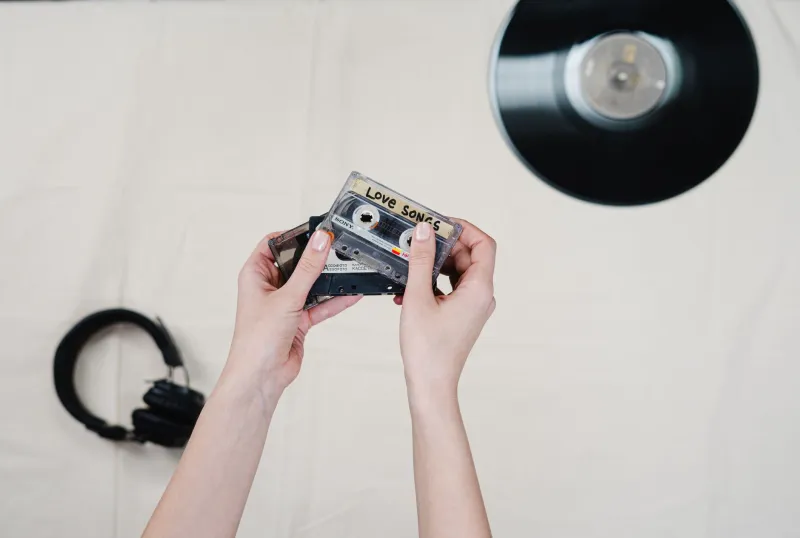
The Official Charts Company counts paid-for physical sales, downloads and streams. Streaming dominates volume across the year, but in a week when the top of the chart can be decided by relatively modest numbers, a concentrated physical campaign can still move the needle. That is the logic behind the 2026 crop of indie Christmas singles: hand-numbered 7-inches, cassette runs of 300, signed postcards, Zoom listening parties and fan-club pre-sales that go live before the song hits the usual streaming services.
'You cannot outspend a major, but you can out-enthuse them,' says Mara Quinn, co-founder of Tinned Peach Records in Salford. 'Our whole campaign is built around people who already care. We are not buying billboards. We are asking 800 people to buy a record and tell five friends.'
It sounds romantic. It also sounds like a spreadsheet. Pressing a small run of vinyl in autumn is not cheap, and the timeline is brutal. Lacquer queues, test pressings and courier delays can turn a neat idea into a box of records sitting in a warehouse on 20 December. Quinn says her label ordered in August and has already warned fans that there will be no repress. 'One pressing, one shot. That is the deal. It keeps the costs honest and it stops us begging people to buy six versions.'
The merch table as campaign HQ
The modern indie Christmas campaign is less a TV appearance than a small ecosystem. There is the mailing list, the Discord, the fan-club tier that gets first access, the limited cassette with a festive jumper pattern, the signed card, the pub gig where the single is played live for the first time. Each piece is designed to turn a casual listener into a participant. In a chart week, participation is everything.
Priya Desai, an independent chart analyst, says physical formats are 'a rounding error across the year but a tactical weapon in December'. She points out that the festive chart is unusual because the gap between positions can be small enough for a dedicated campaign to matter. 'A major label can put a song in front of millions of people. An indie label can put a record in front of a few thousand people who will actually buy it. The question is whether that few thousand is enough. Usually it is not. Occasionally it is.'
That 'occasionally' is what keeps labels coming back. The dream is not just the No.1 spot; it is the story that comes with it. A grassroots act at the top of the Christmas chart is a narrative that radio, TV and social media cannot ignore. It is also a merchandising opportunity that lasts longer than the chart week itself. The risk is that the campaign becomes the point, and the song becomes a souvenir.
The ethics of asking fans to buy twice
There is an awkward conversation lurking under the tinsel. If the route to a higher chart position is multiple physical formats, are artists asking fans to fund a stunt rather than a song? The best campaigns avoid the obvious trap by keeping it simple: one record, one price, no endless variants. The worst can feel like a pyramid scheme with a sleigh bell.
'We have seen the backlash when a campaign feels like a tax on the faithful,' says Nell Harrow, a Leeds-based songwriter releasing a festive single through her own imprint. 'I would rather have 500 people who love the song than 5,000 who feel mugged. So we are doing a single 7-inch, a cassette and a download. That is it. No deluxe box. No £90 bundle with a scarf.'
There is an environmental argument too. Vinyl pressing has a carbon footprint, and cassettes are not exactly a green miracle. Labels counter that a small, carefully planned run is better than a speculative overpress that ends up in a skip. Fans counter that they will buy the same song on three formats because they want the artist to succeed. Both things can be true.
A realistic verdict
The honest answer is that a grassroots act taking Christmas No.1 in 2026 remains a long shot. The major-label machine has deeper pockets, wider reach and a head start on playlist placement. But the gap between 'impossible' and 'unlikely' is where the fun lives. A well-run indie campaign can chart higher than anyone expects, sell out a pressing in a weekend and turn a Christmas single into a genuine moment.
What matters most is whether the song survives the campaign. A novelty hit can ride a wave of goodwill for a week, but a good Christmas song keeps coming back. The labels betting on vinyl, cassettes and fan clubs are not just trying to game the system; they are trying to build a smaller, more loyal version of the festive machine. Whether that is healthy or just another kind of hustle is a question for the fans. In December, they will answer with their wallets.