Skip Button? Never Heard of Her: In Praise of the Short, Sharp UK Record

Photo: YG Entertainment, CC BY 2.0, via Wikimedia Commons
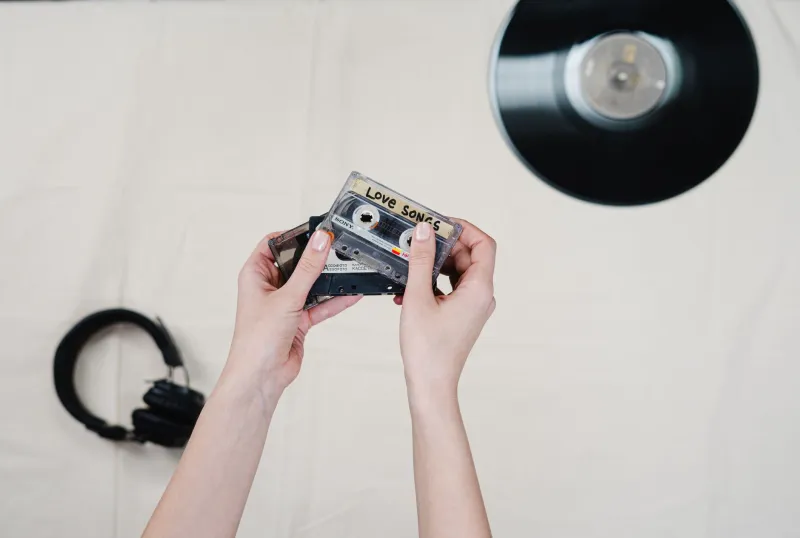
There is a particular joy in an album that ends before you have decided what to have for lunch. No filler, no mid-album drift, no track seven that exists only to justify a double vinyl pressing. In 2026, a growing number of UK artists are treating length as a creative choice rather than a contractual obligation, and the results are some of the most focused records of the year.
The trend is not hard to spot. Glasgow duo Static Ferry released an 18-minute album in spring that plays like a single breath. Leeds punk trio The Last Receipts put out a 14-minute record that clocks in shorter than most support slots. Bristol producer Ama Keita's Low Ceiling runs to 19 minutes and still feels like a full world. None of these are EPs pretending to be albums; they are statements that happen to be brief.
The 15-minute record is not a compromise
For years, the album has been measured by weight. More songs, more minutes, more value. Streaming changed the economics, but it also changed the listening. A record that gets to the point is easier to finish, easier to recommend and easier to love. The short album fits the commute, the gym, the walk to the bus stop. It also fits the live set, which is where many of these records really live.
'The 15-minute record is not a compromise, it is a filter,' says Cassie Row, singer with Static Ferry. 'If a song does not earn its place, it is out. We used to write 20 songs and pick 12. Now we write eight and ask which ones we would actually play live. It has made us a better band.'
That filter matters commercially too. Recording costs are lower, pressing costs are lower and the turnaround between releases can be faster. A short record can be one side of a vinyl LP, which means less risk and a lower price point. In an era when independent artists are competing for attention with every major label on earth, releasing three tight records in 18 months can be smarter than spending two years on one bloated epic.
The live set is the real test
Go to a small venue in Peckham, Cardiff or Manchester on a Tuesday night and you will see the short record in action. Support slots are short. Headline sets are tight. A band with 15 minutes of great material and no filler is a joy to book. A band with 45 minutes of material and 20 minutes of padding is a headache. The short album is, in part, a response to the reality of the UK live circuit.
'People do not want to stand through a slow section at 9pm on a wet Wednesday,' says Tom Eley, who runs a small promoter night in Sheffield. 'The bands that are doing well are the ones that hit the ground running. A short record tells me they know how to edit themselves. That is a good sign.'
There is a counterargument, of course. A short album can feel slight. It can feel like an EP with a marketing budget. It can leave listeners wanting more in a bad way, not a good way. And not every short record is a masterpiece; some are just undercooked. Length is not a virtue in itself. A 15-minute record with three great songs and two sketches is still a 15-minute record with three great songs and two sketches.
Less is more, but only if the songs are there
The best short records of 2026 do not feel like they are missing anything. They feel deliberate. They end when they should end. They trust the listener to come back rather than padding out the runtime in case someone feels short-changed. In a culture that treats attention as a scarce resource, that is a radical act.
So here is the case for the short, sharp UK record: it respects your time, it respects the artist's best ideas and it recognises that a great album is not a marathon. It is a set of songs that belong together, and then it is over. If that means more bands release more often and play tighter shows, then the skip button can stay exactly where it belongs: unused.