Doors Early, Leave Late: Why the Support Slot Is Now the Whole Point
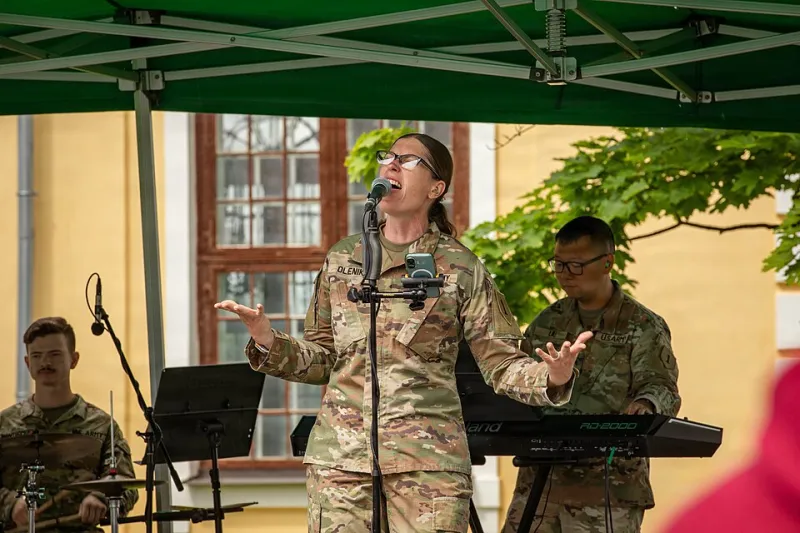
Photo: U.S. Army photo by Staff Sgt. Olivia Lauer, Public domain, via Wikimedia Commons
Doors at seven. Opening act at half past. Headliner at nine. For years that was the rhythm of a UK gig: arrive late, catch the last two songs of the support, buy a drink, complain about the queue for the cloakroom. In 2026, that rhythm is being deliberately broken. Promoters are building bills where the opener is not a warm-up but a reason to set an alarm. The support slot has become a destination set, and the people booking it are treating it like one.
The bill is the product now
Walk into a 200-cap room in Leeds or a converted church in Bristol this autumn and you will see the change in the running order. Fewer three-band sausage factories. More curated pairings: a local headline act, a touring opener with a similar audience, a DJ set that actually starts on time. Some promoters are printing the support act’s name at the same size as the headliner on the flyer. Others are selling early-bird tickets that reward turning up for the first band. The message is simple: the whole bill is the product.
‘If you pay a tenner for a ticket and the opener is an afterthought, you have paid a tenner for one band and a lot of waiting,’ says one Sheffield booker who runs events in a 250-cap venue. ‘If you curate the first forty minutes, you have paid for a night out. That is a better deal for everyone.’
The maths of putting the opener first
The economics are not romantic. A support act usually gets a flat fee, a slice of merch and a shot at a new audience. That fee might be £50, £100 or, in the more ambitious rooms, a guarantee against a door split. Putting the opener front and centre costs the promoter: better lights for the first set, a soundcheck that does not treat them like a line check, and marketing spend that names them. But the upside is real. A strong opener can pull their own twenty or thirty people, and those people buy drinks. They might buy a T-shirt. They might come back next month for the headliner. In a small venue, thirty extra people is not a rounding error; it is the difference between breaking even and looking at a loss.
There is risk, too. A support act with a niche following can split a room. A local opener with a big friendship group can make the headliner look empty by comparison. A touring opener with no local pull can add cost without adding audience. The promoters getting it right are not guessing. They are looking at mailing lists, at who turns up to their own nights, at the support act’s last three gigs in the region. They are treating the opener as an investment, not a favour.
Risk, reward and the local opener
The local opener is the most obvious beneficiary. In Glasgow, Manchester and Cardiff, promoters are using support slots to build a pipeline: a young act gets twenty minutes in front of a receptive crowd, a proper soundcheck and a fee that covers the train home. In return, the promoter gets a fresh audience and a reason for the local scene to turn up early. It is not charity. It is audience development.
‘We used to put a local band on because their mates would come and drink,’ says a Bristol promoter. ‘Now we put them on because their mates will come and actually watch. That is a different thing. It changes the atmosphere in the room. People are not just waiting for the headliner. They are there for the first band.’
That shift matters for emerging acts. A support slot used to be a CV line. Now it can be a small, real step: a paid gig, a review, a support tour that leads to a headline show. The artists I spoke to for this piece were clear that the money is still tight. Fuel, parking, a night off work, a van that needs an MOT. But the ones getting the better slots are the ones being given time: a proper soundcheck, a decent monitor mix, a promoter who introduces them from the stage.
What artist development actually looks like
The music industry loves the phrase ‘artist development’ until it has to pay for it. The support slot is one of the few places where development still happens in public. A new act learns how to hold a room for thirty minutes. They learn which songs work when people are still coming in. They learn how to sell merch without apologising for it. They learn that a good gig is not just a good set; it is a good night.
The 2026 version of the support slot is shorter and sharper. Fewer bands, better pacing, a curfew that is respected. Some promoters are running double-header nights where two acts split the bill and the audience arrives for both. Others are using a compere or a short DJ set to bridge the gap, so the room never empties. The goal is not to make the opener the headliner. It is to make the opener impossible to ignore.
The curfew test
The real test is the last train. If the opener finishes at 8:15 and the headliner at 10:30, the audience has to choose. The promoters making this work are the ones who understand that choice. They start earlier. They publish stage times. They make the first set feel like an event, not a queue for the bar. They know that a support slot is not a warm-up if the room is already warm.
The warm-up is dead. The opener is the point. And for once, that is a good thing for the people on stage and the people watching.