Before the Last Train: The Quiet Rise of the Early-Door UK Show
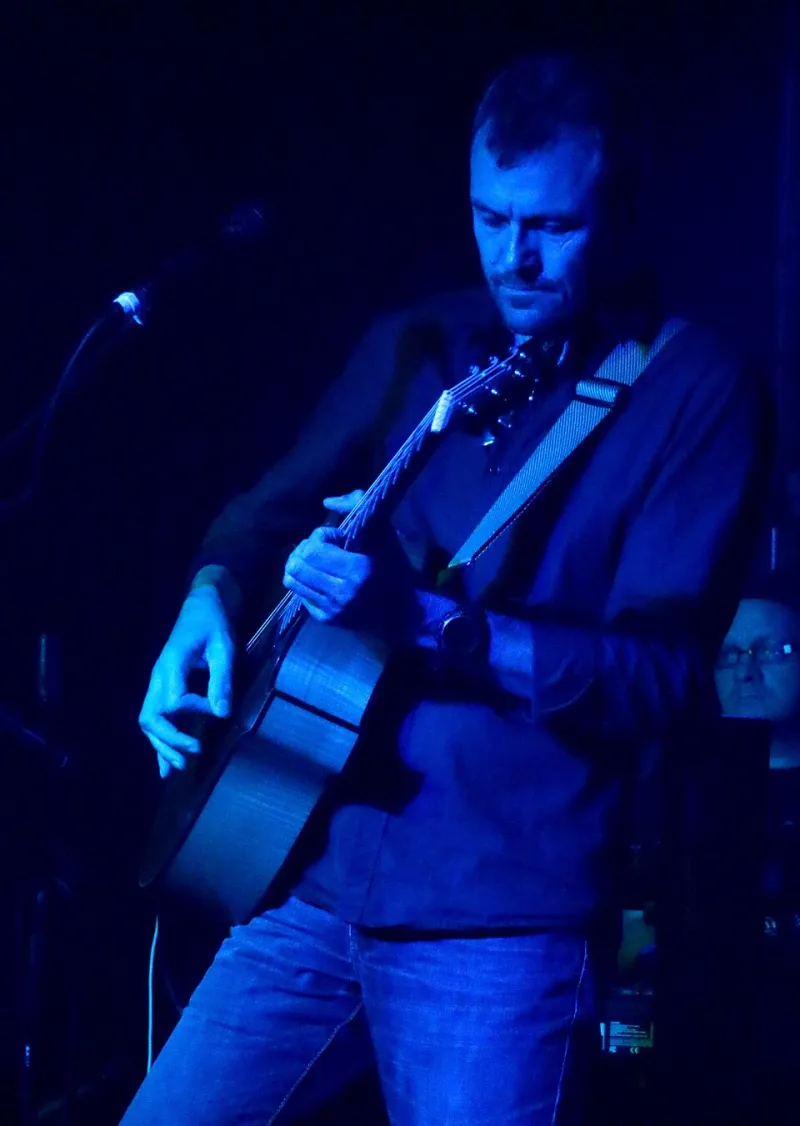
Photo: kitmasterbloke, CC BY 2.0, via Wikimedia Commons
On a Saturday afternoon in Leeds, the queue outside a 300-cap room starts forming before half two. By three, the front row is full of teenagers, parents and a few people who have clearly come straight from the market. The headliner is on at four, the merch table is doing steady business, and by six the room is emptying into a city centre that is still wide awake. Ten years ago this would have been an all-dayer or a label showcase. In 2026, it is just a gig.
That shift is not confined to one city. Across the UK, promoters are putting on 3pm matinees, 5pm support slots and 6pm doors with a straight face. The reasons are not mysterious. They are about money, trains, access and the quiet realisation that a late-night licence is not the only way to run a live music room.
The 3pm start is not a novelty any more
The matinee used to feel like a compromise: a stripped-back set for under-18s, or a warm-up for the real thing. Now it is often the main event. Venues that once saw an afternoon show as a nice bit of community programming are booking them as proper tour dates, with full production, a merch cut and a headline set that lasts more than forty minutes.
Part of that is audience. All-ages shows have always existed, but the appetite for them has widened. Younger fans can get in without needing a lift home at midnight. Parents can bring children without turning it into a military operation. Older fans who have stopped doing late nights can still see the bands they love without paying for a hotel they will barely use. And anyone who has ever stood on a packed last train platform at 11:40pm knows the appeal of being home before the night bus starts.
The promoter’s spreadsheet looks different
Early doors are not automatically cheaper to run. You still need sound engineers, door staff, security, lighting and someone to sell the shirts. But the shape of the risk changes. A 6pm doors show can finish by 10pm, which means staff can be off the clock earlier, the room can be turned around for a club night, and the venue can sometimes make the space work twice in one evening. A 3pm matinee can be programmed before a evening event, or on a Sunday when the room would otherwise sit empty.
For promoters, that matters. The live sector is still dealing with the knock-on effects of rising costs, cautious audiences and the simple fact that people are choosier about what they leave the house for. An early show can be priced more gently because the fan is not also paying for a train home at peak time, a hotel or a babysitter. It can also sell to people who would never commit to a late-night ticket on a work night. The ticket may be lower, but the room is full, and a full room at 6pm is worth more than a half-empty one at 10pm.
There is a practical point too. A gig that starts early is easier to programme around public transport. In cities where the last train leaves before the encore, a 6pm door is not a gimmick. It is the difference between a fan from a neighbouring town coming or staying at home. That is especially true outside London, where the rail network is less forgiving and the taxi home can cost more than the ticket.
Train-friendly is fan-friendly
The early show is also an accessibility story. Not everyone can stand for four hours in a dark room at midnight. Not everyone can afford a hotel. Not everyone wants to be in a crowd when the alcohol has had time to settle in. Afternoon and early-evening gigs tend to be calmer, brighter and easier to leave if you need to. For neurodivergent fans, sober fans, disabled fans and anyone who has ever calculated the exact minute they need to leave to make the last connection, that is not a small thing.
It helps that the atmosphere is different rather than lesser. A 4pm headline set has its own energy: less fog, more eye contact, a crowd that is there because they really want to be there rather than because they have already spent the night out. Bands often lean into it. The between-song chat is looser. The set can be shorter and sharper. The merch table is busier because people are not yet thinking about how they are getting home.
Not a retreat, a recalibration
The easy reading is that UK live music is retreating from the late night. That misses the point. Promoters are not abandoning evening shows. They are adding another shape to the week. A 6pm doors show is not a replacement for a Friday night headline slot. It is another way to make the economics work in a country where the cost of getting home is now part of the ticket price.
What it says about the scene is more interesting than any nostalgia about the good old days. UK venues are adapting. They are looking at the whole journey of a gig, not just the two hours on stage. They are asking who can actually get there, who can afford to stay, and what time the last train goes. That is not a lack of ambition. It is the opposite. It is a recognition that a packed room at 6pm can be just as crucial as a sweaty one at 11pm — and sometimes it is the only way the night happens at all.