The Inbox Is the New Front Row
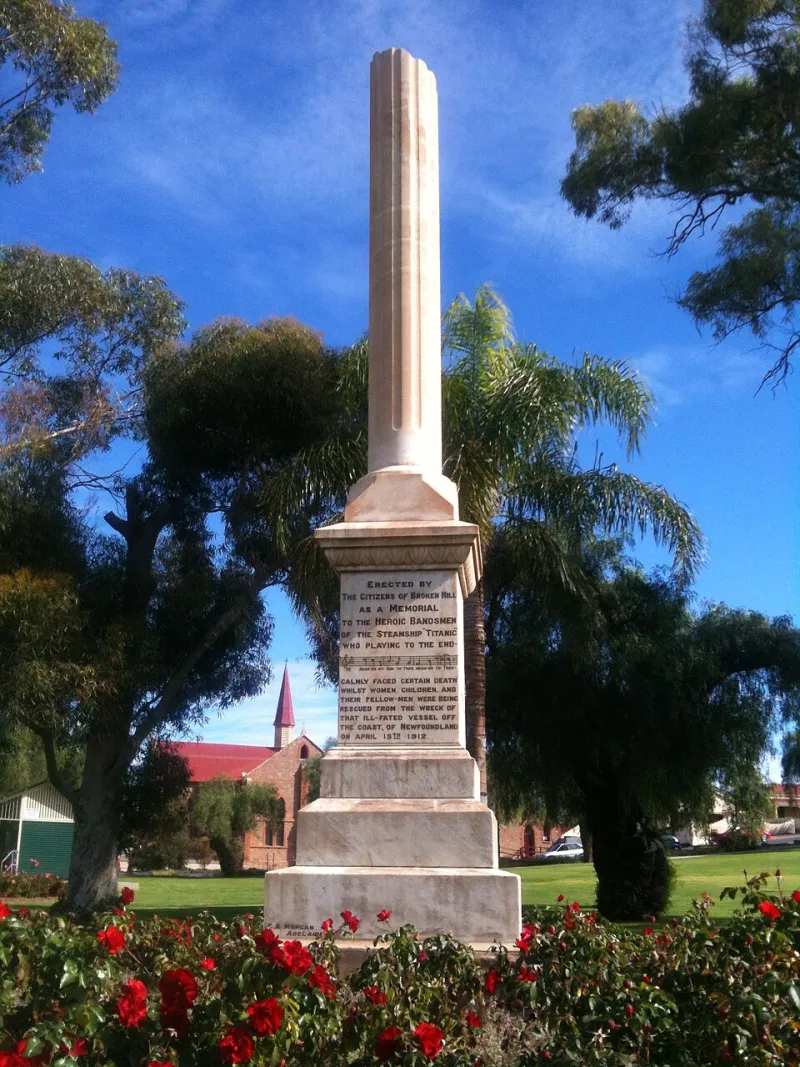
Photo: Whiteghost.ink, Public domain, via Wikimedia Commons
The feed was never ours
I have spent the last month unsubscribing from brands and subscribing to bands. My inbox is now a strange little venue. A Sheffield synth-pop trio sends a voice note from the van. A Bristol rapper sends a presale code and an apology for the typos. A folk singer in Margate asks whether anyone wants to hear a rough mix of a song about the bus. It is messy, personal and oddly thrilling.
For years, UK artists were told to build a following. Build it where? On platforms that changed the rules whenever they fancied. In 2026, the newsletter has become the quiet rebellion: a direct line that does not need a boosted post, a dance trend or a brand deal.
What the inbox does better
Release news arrives. Presales arrive. Rough demos arrive. Ticket links arrive. No algorithm decides whether the announcement is worthy. Open rates are not likes, but a reply is a reply. A fan who pays £5 a month or buys a tee from a mailer is worth more than 10,000 passive scrollers. For grassroots acts, the economics are blunt: email lists convert. You can sell 30 tickets to 300 subscribers. You cannot sell 30 tickets to a viral video if no one remembers your name.
The newsletter also allows weirdness. A demo can be a demo. A sold-out show can be a thank-you. A song can arrive with a photo of the pedal that broke. You do not need to make a Reel about it. That looseness is the point. The feed rewards performance; the inbox rewards consistency.
What gets lost
But let us not pretend the inbox is a utopia. It is a graveyard too. Subscribers are lazy. Emails get buried under ASOS receipts and council tax reminders. Building a list takes years and a reason to join. And the public square matters. When artists retreat to private lists, discovery becomes a favour, not an accident. The 14-year-old who finds you because a video autoplayed is not on your mailing list yet. If every announcement happens behind a sign-up form, we lose the casual listener who wanders in.
There is also the data question. Fan lists are intimate. Artists need to treat them that way: no selling, no spamming, no just bumping this. The inbox is a room. Do not turn it into a billboard.
The artists doing it well
The ones I have stayed subscribed to do not treat the newsletter as a megaphone. They treat it as a front row. They post publicly enough to be found, then invite people closer. They send one good email a month, not five. They share the rough demo and the ticket link in the same breath. They thank people by name, or at least by town. They remember that an email is a guest in someone's day.
A Leeds artist I know sends a monthly note with three things: one thing she made, one thing she loves, one thing she is selling. It takes her an hour. It has sold out two small rooms this year. That is not a coincidence. It is a relationship with a subject line.
Neither the feed nor the inbox is the whole room
The feed is still where you get seen. The inbox is where you get kept. Both can be true. The UK artists who understand that are building something slower and more durable than a viral moment. They are building a room with a door. And they are learning to knock politely.