No Need to Clap Twice: The Quiet End of the Scripted Encore
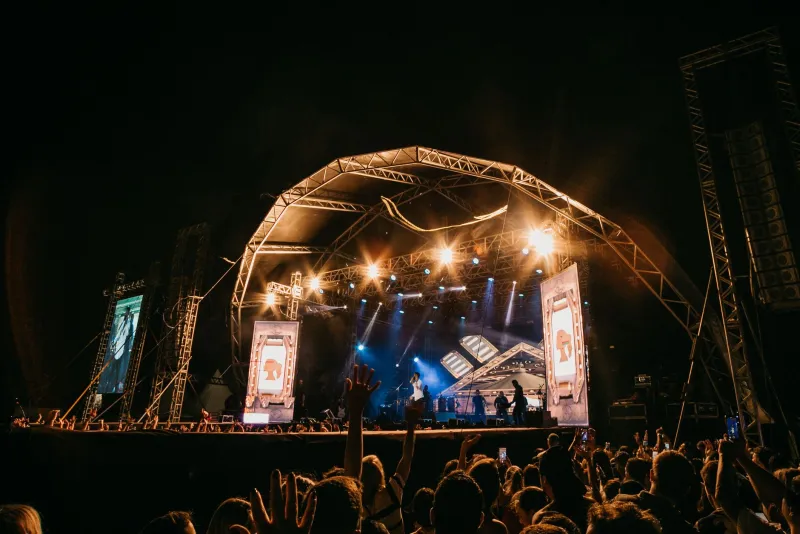
There's a moment, somewhere near the end of a gig, when the house lights stay stubbornly off and the applause takes on a slightly embarrassed quality. The band have gone. The crowd know they're coming back. The band know the crowd know. And somewhere in the wings, a tour manager is watching the clock because the venue's licence says eleven and the last train out of the city doesn't wait.
That moment is getting shorter. In some rooms, it's disappeared entirely.
The Four-Minute Hole in the Night
The encore is, functionally, dead time dressed as drama. A typical one costs four to six minutes: the walk-off, the clap-along, the inevitable return, the two songs you could have just played in sequence. In a ninety-minute headline set with a hard curfew, that's roughly five per cent of the show spent pretending. And in 2026, with touring costs still eye-watering and venues squeezed from every direction, five per cent is starting to look like an indulgence nobody can afford.
Think about what's actually happening in those minutes. The band are offstage, maybe in a corridor with no phone signal, being told by a promoter that the load-out has to start at quarter past. The crowd are clapping in that weird, rhythmic way that means "we're doing the ritual now". The bar staff are trying to work out whether to call last orders before or after. Nobody is having a particularly good time. It's a pause, not a climax.
Everyone Knows the Script, and That's the Problem
There was a time when the encore carried genuine uncertainty. Did they mean it? Will they come back? That was before setlist spoilers, before the tour poster with the running order printed on the back, before every fan with a phone had the shape of the night in their pocket before doors. Now the encore is less a surprise than a scheduling convention, and audiences have got wise to it.
The result is a strange kind of unspoken agreement. Bands know the crowd expects the return. Crowds know the return is coming. So the applause becomes performative — a politeness ritual rather than a genuine demand. And once a ritual is transparently a ritual, it starts to curdle. You can feel it in the room: the slightly ironic cheer, the knowing glance between mates, the person near the front shouting "go on then" like they're chivvying a mate out of bed.
Some artists have responded by leaning into the absurdity. Others have quietly stopped. A straight-through set, ending on the biggest song, lights up, goodnight — there's an honesty to it that's hard to argue with. No theatre, no wasted minutes, no pretending. You got the set. It finished. Go and catch your train.
Curfews, Costs and the Contract With the Crowd
The economics are blunt. A hard curfew isn't a suggestion; it's a licence condition, and breaching it can cost a venue thousands. For touring acts, the encore is often the difference between a calm load-out and a rushed one, between making the ferry and missing it. For fans, it's the difference between the last Tube and a forty-quid taxi.
But there's a less transactional thing going on too. The encore was always a bit of a power game — the performer withholding themselves to be begged back. In 2026, that feels out of step with a live scene that's spent years trying to rebuild trust after the pandemic, after ticket chaos, after the endless price rises. Artists who skip the fake finish are saying something simple: I'm not going to waste your time. That's a different kind of respect.
The Second Stage and the Honest Goodbye
What's filling the gap isn't nothing. It's something more interesting.
Some acts are reworking the end of the night entirely: a sudden acoustic song from the middle of the crowd, a B-stage moment in the bar, a guest appearance that actually surprises because it hasn't been trailed on Instagram for a week. Others are simply finishing strong and staying finished — a clean, deliberate full stop rather than a question mark.
And there's a version of the encore that still works: the one that's earned. A band who genuinely don't know if they're coming back, who haven't planned it, who are pulled out by a crowd that won't let them leave. That still happens. It's just rarer than the scripted version, and all the better for it.
What We Lose, What We Gain
Losing the encore means losing a collective ritual, and rituals matter. There's something primal about the call-and-response of it, the shared insistence, the moment when a room decides together that the night isn't over. But rituals that outlive their meaning become theatre, and theatre in a rock venue can feel like being sold something.
The trade is straightforward: fewer fake endings, more real ones. A set that ends when it ends. A band who say goodnight and mean it, rather than disappearing into a corridor to wait for the right number of claps.
You'll still get the occasional encore this autumn — at the Barrowlands, at the Brudenell, at the venues where the crowd's insistence is loud enough to feel like a genuine demand. But the default is shifting. The lights come up. The house music comes on. And the night ends the way most good nights do: sooner than you'd like, and without any pretending.