Two Hours’ Notice: The Weeknight Gigs Selling Out Before Tea
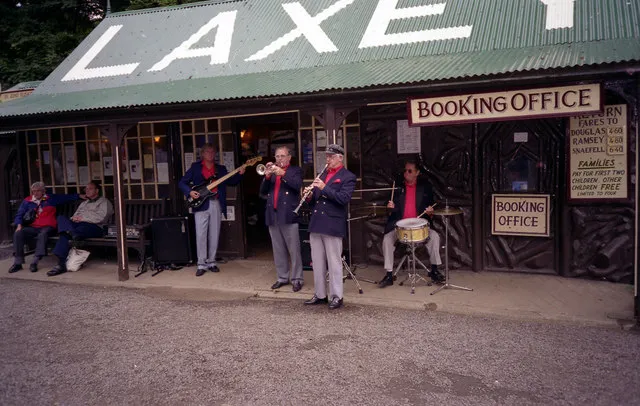
Photo: Dr Neil Clifton, CC BY-SA 2.0, via Wikimedia Commons
There is a particular kind of group chat message that arrives just after lunch on a Tuesday. It is usually three words long, sometimes followed by a link, and it has the immediate effect of making whatever you were doing feel unbearably slow. Announced at noon. On sale now. By two o’clock, the room has gone. By teatime, someone is offering a spare ticket to a stranger on the internet and pretending they were never that bothered.
The same-day gig announcement is not new. What feels different in 2026 is how deliberate it has become. This is not a promoter forgetting to tell anyone until the last minute. It is a strategy: hold the information, compress the window, let the urgency do the marketing, and turn a quiet Wednesday in a 200-cap room into a small event that people talk about for a week.
The Noon Drop
For years, the standard UK gig rollout was a slow burn. Tease on Monday, announce on Wednesday, general sale on Friday, then spend six weeks watching the ticket page refresh itself. That model still works for arena acts and heritage names with mailing lists older than some of their fans. But for smaller venues and newer artists, the long runway has started to feel like dead air.
A same-day show flips the logic. The artist is already in town. The gear is already loaded in. The venue has a gap. Instead of spending money persuading people to plan a night out three months from now, the promoter sends up a flare and lets the city’s boredom and curiosity do the rest. It helps that the social platforms reward immediacy. A post that says tonight has a different pulse to one that says tickets on sale now for November. One is news. The other is admin.
There is also a practical appeal for touring bands. Routing a UK run is expensive and fragile, and a day off in Leeds or Bristol is rarely a day off — it is a cost. Filling a hole with a last-minute show can cover fuel, sell some merch, and give the crew something to do other than sit in a Travelodge. The same logic applies to support slots, album-launch warm-ups, and the kind of secret shows that are only secret until someone posts a photo of the queue.
Why It Works Now
Part of this is economics. Part of it is atmosphere. Small venues have spent the past few years asking people to commit earlier and earlier, and audiences have responded by becoming more cautious. Same-day shows ask for a different kind of commitment: not a diary entry, but a decision. That can be liberating. It removes the six-week window in which life gets in the way, and it gives a weeknight the faint charge of a school night out.
Promoters have noticed that the compressed window also cuts down on the slow bleed of cancellations and no-shows. If you buy a ticket at 1pm for a show at 8pm, you are probably going. The ticket is not a vague promise to your future self. It is a plan for the evening. And because the audience is smaller and the lead time is shorter, the room often feels fuller in spirit — people are there because they chose to be there today, not because they bought a ticket in a moment of enthusiasm last spring.
The social-media effect is real, but it is not just about hype. A last-minute announcement creates a shared clock. Everyone who sees it is working against the same deadline. That produces the old-school feeling of hearing about a gig from a mate and having to move quickly. It is less polished than a campaign and more fun than a countdown post.
The Room Sets the Pace
There is a reason this works better in a 150-cap venue than in a theatre. Small rooms can absorb spontaneity. The door staff know the drill. The sound engineer can handle a slightly chaotic load-in. The bar knows it might get a rush at 7:45 and then nothing until the interval. The whole building is designed for people who decided to come out on a whim.
That is also why the best same-day shows feel like a neighbourly secret rather than a marketing stunt. The announcement is not trying to reach everyone. It is trying to reach the people who are already close enough to say yes. In London, that might mean a Dalston basement or a Peckham side room. In Glasgow, it might be a venue where the bar staff are already texting their mates. In Leeds or Bristol, it can turn a slow Tuesday into a proper night out without the usual three-week build-up.
Who Gets Left Out
The obvious question is whether spontaneity is just another word for privilege. A same-day gig is brilliant if you live twenty minutes from the venue, have no caring responsibilities, and can afford to drop forty quid on a whim. It is less brilliant if you need to book a train, arrange childcare, or wait until payday. The last-minute model quietly assumes a flexible life, and not everyone has one.
That is the tension at the heart of this trend. The people who benefit most from the old model — the planners, the savers, the fans who need notice — are the ones most likely to miss out when the window shrinks to a few hours. Promoters are not necessarily being careless. Many are trying to fill rooms in a difficult climate. But if the same-day show becomes the default rather than the exception, it starts to narrow the audience in ways that are worth noticing.
There are workarounds. Some venues hold a small allocation for local fan groups. Some promoters announce a same-day show but keep a handful of tickets for people who can only get there after work. Others are experimenting with lunchtime announcements for evening shows, which at least gives the nine-to-five crowd a fighting chance. None of it is perfect, but it is a start.
A Different Kind of Hype
What makes the last-minute UK gig feel genuinely different is that it is not trying to be a blockbuster. It is trying to be a good night out. The hype is not manufactured by a billboard or a playlist takeover. It is manufactured by time. The clock does the work.
That is why the noon announcement has started to feel like a small cultural ritual. You see the post. You check the venue. You check your bank balance. You text the group chat. You make a decision. And then, if you are lucky, you are standing in a room at eight o’clock with a pint in your hand, watching a band who were probably still loading in when you were eating lunch.
It is not a perfect system, and it is not for everyone. But in a gig landscape that often feels over-planned and under-spontaneous, there is something bracing about a show that refuses to wait. The last-minute gig is not just a scheduling trick. It is a reminder that a night out can still be a decision rather than a commitment — and that sometimes the best things happen when nobody had time to overthink them.