Paste, Paper, Trust: The Gig Poster’s Quiet Fight Against the Feed
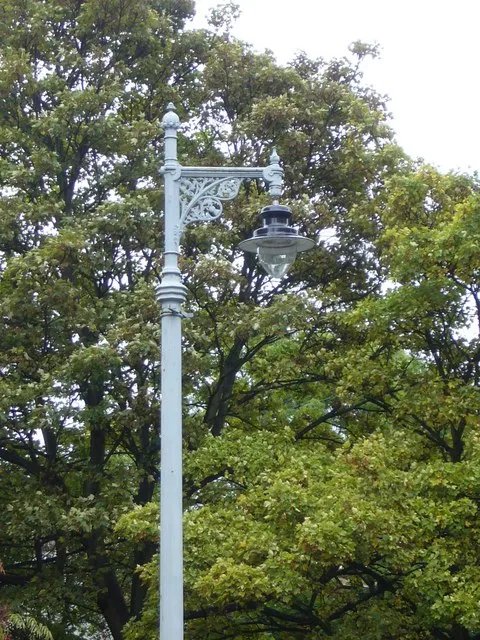
Photo: kim traynor, CC BY-SA 2.0, via Wikimedia Commons
Last week I stood outside a bakery in Stockport and counted six gig posters in the window. Not one of them was for a venue I had heard of. Two were for a metal night in a function room, one was for a folk club in a church hall, one was a hand-drawn flyer for a band with a name I could not read. It was the most useful five minutes of gig research I had done all month. No algorithm had sent me there. A walk to the shop had.
The feed is not a scene
I am not nostalgic for damp flyers. I do not miss peeling a poster off my shoe. But something has changed in the way UK gigs are promoted, and the change is not all progress. Social media gave every promoter a megaphone. It also gave every promoter the same megaphone. The feed is a river of identical graphics, boosted posts and event links that expire in a scroll. It is brilliant at reach. It is terrible at place.
A poster in a shop window is not a campaign. It is a small, stubborn act of localism. It says: this is happening here, and someone thinks you might want to know. That is different from a targeted ad. It is a form of trust.
What paper does that pixels cannot
Paper is slow. That is the point. A promoter has to design the flyer, find a printer, collect the stack, buy the paste, choose the lampposts, ask the shopkeeper, and accept that half of them will be gone by Tuesday. The effort is a signal. It tells the audience that someone is not just scheduling a post; they are physically present in the place where the gig will happen.
Paper is also contextual. A flyer for a hardcore show outside a vegan cafe is not the same as a flyer for a hardcore show outside a corporate gym. A poster in a record shop window is a recommendation. A poster in a chip shop is a conversation. The algorithm can target demographics. It cannot know that the person who runs the record shop will put your flyer in the window because you helped them carry crates.
The towns doing it anyway
The comeback is not a London thing. In Hastings, a promoter I know has been running a monthly night with a hand-stamped flyer and a pinboard in the local wholefoods. In Bradford, a zine has become a gig guide as much as a magazine. In Newport, a venue has started a take-one-leave-one poster wall by the door. In Dundee, a student promoter told me she gets better turnouts from A3 posters in the union than from paid ads. None of this is scale. All of it is scene.
The venues are doing it too. Pinboards are back. Not the curated, branded kind, but the messy kind: dog-eared flyers, a lost cat notice, a yoga class, a demo night, a rave in a social club. That mess is information. It tells you what a place is like. It tells you who lives there.
The algorithm cannot do trust
The algorithm can do many things. It can find people who like the same bands as you. It can remind you that an event exists. It can sell a ticket in three taps. What it cannot do is vouch for you. It cannot put a poster in a window and have the shopkeeper say, ‘I know the person who put that there.’ It cannot create the small social contract that comes from a physical object in a shared space.
That contract matters. A flyer is a promise. It says: we are doing this, we are doing it here, and we are not just hoping you scroll past. The algorithm is a broadcast. A poster is a handshake.
A small, stubborn act of localism
I am not arguing that promoters should abandon social media. That would be daft. The feed is where a lot of people find out about gigs, and it is where a lot of small venues sell tickets. But the poster comeback is a useful correction. It reminds us that promotion is not just distribution. It is presence. It is the difference between being seen and being part of a place.
So next time you see a flyer pasted to a lamppost, read it. Take a photo. Go to the gig. The algorithm might have found you anyway. But the poster found you first, and it did it without knowing your data. That is worth something.