Back Together, Up Close: The Small-Room Reunion Is Rewriting the Nostalgia Playbook

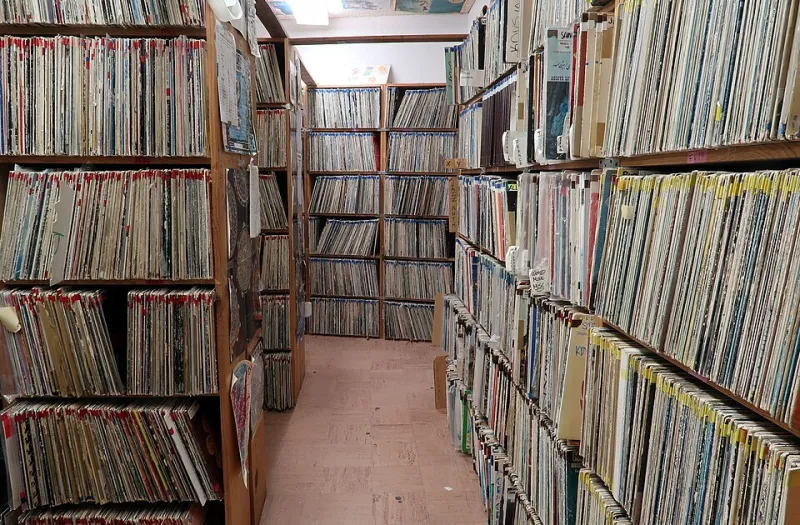
Photo: Trevor Rickard, CC BY-SA 2.0, via Wikimedia Commons
There was a time when a UK band reforming meant one thing: a lap of the arenas, a greatest-hits set and a ticket price that made you wince. The reunion was a victory lap, a payday and a chance to see a band you had missed the first time around. In 2026, that model still exists, but it is no longer the only one. Across the country, acts are getting back together for 200-cap rooms, local scene events and anniversary shows that feel less like a corporate comeback and more like a party in the room where it all started.
That shift is worth taking seriously. It is not just nostalgia with a smaller budget. It is a different way of thinking about what a reunion is for, who it is for and what success actually looks like.
The arena maths stopped adding up
A big reunion tour is an expensive machine. You need production, crew, trucks, marketing, a support act and a venue that can sell enough beer and parking to make the numbers work. When it goes right, it is lucrative. When it goes wrong, it is a very public half-full arena and a lot of people pretending the upper tier was always meant to be closed.
The small-room reunion flips that risk. A 200-cap room is not a compromise if you can fill it. It is a controlled environment. The overheads are lower, the ticket price can stay sensible, and the band can actually see the faces in the crowd. For a group that has not played together in a decade, that matters. The pressure is lower. The rehearsal time is shorter. The stakes are human-sized.
There is also the question of demand. Not every reforming band can sell 12,000 tickets, and the ones that cannot are often the ones with the most devoted fans. A packed 200-cap room is a better outcome than a half-full 4,000-cap academy. It looks better, it sounds better and it feels better for everyone involved. The scarcity is real rather than manufactured. The queue outside means something because the room is actually full.
A packed 200-cap room is a different kind of success
In the old model, the arena was the proof. In the new one, the proof is the room. A sold-out small show has a buzz that a big show often cannot match. The sightlines are better. The sound is usually tighter. The band can play the deep cut because they know the room is full of people who actually want to hear it. The merch table is a conversation rather than a queue. The whole thing feels less like a transaction and more like a gathering.
That matters for fans who have followed a band from the beginning. If you were there for the first EP and the first toilet tour, an arena reunion can feel like watching your old local get turned into a gastropub. A 200-cap show feels like the old local is still standing, and the band has come back to say thank you. It is a different kind of emotional payoff. It is also, frankly, more fun.
The ethics of intimate nostalgia
There are questions, though. Intimate reunions can be a bit too good at creating a scramble. If a band announces one 200-cap show in their hometown, the people who get tickets are not necessarily the people who were there the first time. They are the people who saw the link first, or had the fastest connection, or knew someone with a presale code. That is not a scandal, but it is worth being honest about.
Promoters and bands can do simple things to keep it fair. Local presales. A portion of tickets held for in-person buyers. No dynamic pricing on a 200-cap room, because there is no need for it. Clear information about accessibility and age limits. A support slot for a current local band rather than another heritage act. These are small decisions, but they shape who gets to be in the room. A reunion should not just be a nostalgia exercise for the fastest clicker.
There is also the question of whether the small-room reunion is a genuine choice or a face-saving fallback. For some bands, it is clearly the latter. But that does not make it less valuable. A 200-cap show can be a way to test the water, pay off a few debts, or just see if the chemistry is still there. If it is, the band can scale up later. If it is not, they have not embarrassed themselves in front of 8,000 people.
Nostalgia with a local address
The best version of this trend is not just about size. It is about place. A reunion in the town where the band formed hits differently from a reunion in a neutral arena. The local support act, the venue staff, the posters in the window, the kebab shop afterwards — all of it becomes part of the story. The band is not just returning to the stage. They are returning to the scene that made them.
That is why a packed 200-cap room can now feel more crucial than a half-full arena. It is not about being small for the sake of it. It is about being in the right room. The reunion economy of 2026 is not a retreat from ambition. It is a correction. It is bands and promoters saying that the point of getting back together is not just to sell tickets. It is to be in the room with the people who cared the first time — and to make sure the room is still there when they do.