The Checkout Blindside: Why a Gig Ticket’s Real Price Starts After the Poster
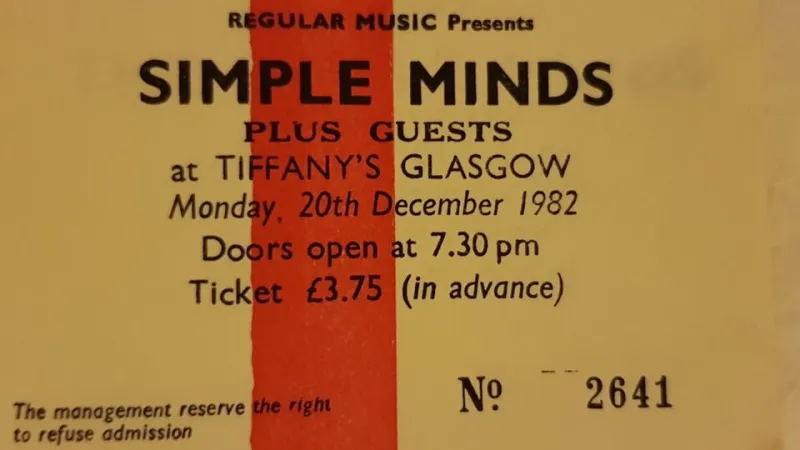
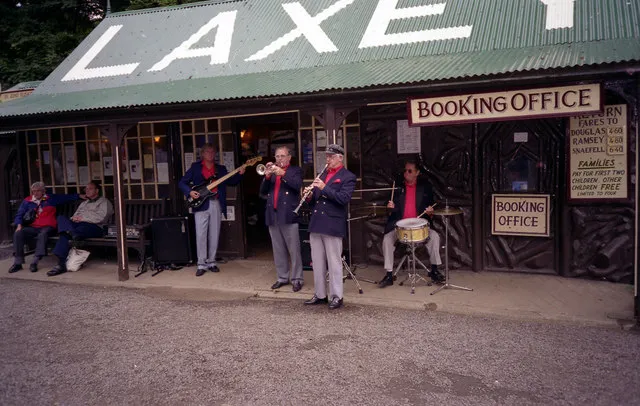
Photo: AnonymousUnknown author, Public domain, via Wikimedia Commons
There is a ritual every UK gig-goer knows. You see a show announced. You check the price. It says thirty-five pounds plus fees. You click through, pick a ticket, maybe add insurance you do not want, and by the time you hit pay the number has swollen like a wet chip. In 2026, that gap between the advertised price and the amount that actually leaves your account is no longer a rounding error. It is the story.
The number on the poster
Face value used to mean something simple. It was the price the artist and promoter agreed, the number printed on the ticket, the benchmark fans used to judge whether they were being fleeced. Now it is a starting point. Booking fees, facility fees, fulfilment charges, e-ticket delivery, card processing, venue restoration levies and the occasional mysterious service charge all pile on before checkout. Some are legitimate costs. Some are just arithmetic dressed up as necessity. The result is the same: the poster price is an advert, not a promise.
That matters because live music is an emotional purchase. You are not buying a kettle. You are buying a night, a memory, a reason to get the train home at midnight. Fans will stretch for a show they care about. But stretching is different from being ambushed. When the final total lands, the feeling is not just ‘that was expensive’. It is ‘why did nobody tell me?’
Death by a thousand add-ons
Promoters and venues will tell you, fairly, that the headline price is a fragile thing. Touring costs have climbed. Energy, staffing, insurance, haulage and production have all gone up. A ticket has to carry a lot of weight. Fees also let different parts of the chain get paid without inflating the number on the poster, which is the number artists and agents often want to keep looking competitive.
All of that is true. It is also true that the current system hides the real cost until the last possible moment. A fan comparing two shows cannot easily compare two totals. A fan on a tight budget cannot plan. A fan who suspects the extra charges are arbitrary has no way to check. The checkout becomes a small test of trust, and trust is exactly what the live sector cannot afford to waste.
Dynamic pricing is not a ghost
In the past few years, dynamic pricing has moved from airlines and hotels into live music. It is not automatically villainous. Demand-led pricing can help fill rooms, pay crews and reflect what a ticket is actually worth on a given night. But when a fan queues at a quoted price and finds it has risen by the time they reach the front, the phrase ‘face value’ starts to sound like a rumour. The price is not fixed. It is a mood.
The defence is that dynamic pricing is transparent if you look closely. The problem is that nobody looks closely while they are in a queue with a timer ticking and a card ready. Fans experience the price as a moving target. That is not a communication failure. It is a design choice.
Resale and the second sticker price
Then there is resale. Fan-to-fan platforms have done good work in keeping some of the worst mark-ups out of the system. But the wider secondary market still allows tickets to be listed at multiples of what was paid, before anyone has printed a wristband or checked a bag. A ticket bought at face value plus fees can become a luxury item by lunchtime. The original price becomes a historical curiosity.
This is where the fiction gets thickest. The primary seller says face value. The secondary seller says market value. The fan in the middle just sees a number that bears no relation to the night they imagined. Resale is not going away, and it should not be erased. But it needs to be honest about what it is: a second price, not a secret one.
What all-in pricing would actually change
All-in pricing is not a magic wand. It will not make gigs cheaper. It will not fix venue closures, tour buses or the economics of a Wednesday night in a small city. But it would do one important thing: it would make the comparison honest. If the price on the poster is the price you pay, fans can decide before they invest time, hope and queue position. They can compare shows. They can budget. They can say no.
Promoters worry that all-in pricing makes headline prices look higher and dampens demand. That is a real concern. But it is also a choice about where to put the truth. You can build costs into the headline price and still run a business. You can explain what the ticket includes. You can stop treating the checkout as a place where surprises are allowed.
The trust maths
The UK live scene does not have a pricing problem in isolation. It has a trust problem with a pricing symptom. Fans are not naive. They know costs have risen. They know venues are under pressure. They know artists need to be paid. What they resent is the sense that the real number is being kept from them until it is too late to walk away.
A clean, all-in price would not solve everything. But it would draw a line. It would say: this is what the night costs, and we are not embarrassed by it. In 2026, that would be a radical act. It would also be a sensible one. The basket should not be the first place a fan learns the truth.