The Council Tree Stage: Inside Britain’s Christmas Lights Switch-On Gigs
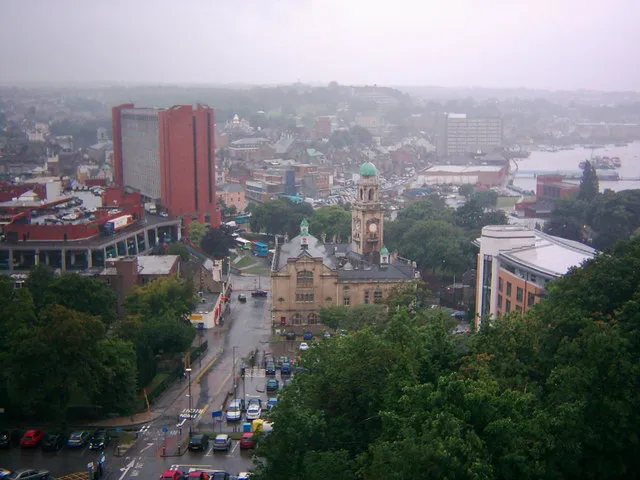
Photo: Lisa Fulcher, CC BY-SA 2.0, via Wikimedia Commons
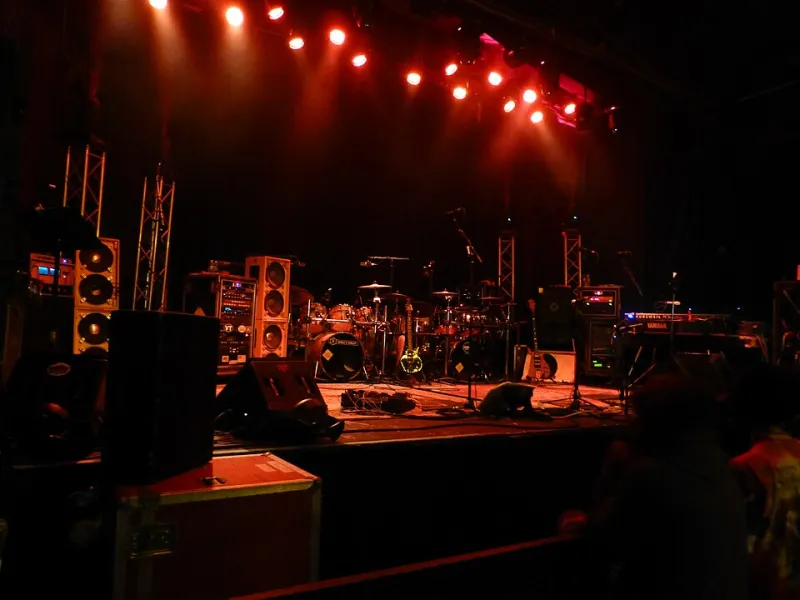
It is 4:40pm on a Saturday in November 2026, and the high street has become a venue. There is a stage truck parked by the pharmacy, a barrier held together by hope and cable ties, and a crowd of families in coats waiting for a local radio presenter to say the word. The tree is behind the drum riser. The bass player is wearing gloves. Somewhere near the back, a councillor is holding a clipboard and looking for the person with the switch.
This is the Christmas lights switch-on circuit: the strange, cold, oddly lucrative corner of the UK gig economy that almost nobody reviews. It does not appear in the culture pages. There are no ticket sales to analyse, no guest list to argue about, no encore. But for a certain tier of British musician, these town-centre shows are not a novelty. They are work.
The booking nobody puts on a poster
The people who book these events are rarely music promoters in the traditional sense. They are town centre managers, Business Improvement District teams, council events officers, community radio stations, Rotary clubs, local breweries and small agencies paid to make a high street feel alive for an afternoon. The budget comes from a mix of council spend, BID levies, sponsorship and whatever is left in the events pot after the road closures have been paid for.
That makes the money more varied than the posters suggest. Organisers and musicians describe a 2026 range that runs from modest to surprisingly decent. A local original act doing a 25-minute set might get £250 to £600. A reliable function band — the kind that can play a Christmas song, a soul cover and something for the kids — can see £500 to £1,200. A local headline name with a real following might command £1,000 to £2,000. A nostalgic chart act from the noughties, booked through an agency, can push well beyond that once travel and backing are included.
It is not a fortune. But it is a fee, often paid against an invoice, sometimes against a purchase order that takes 45 days to clear. In a sector where support slots can be unpaid and headline tours can lose money, a paid Saturday afternoon beside a council tree has a certain grim dignity.
The setlist is a risk assessment
A switch-on set is not a normal gig. It is daylight, or near-darkness, with a family audience that includes toddlers, grandparents and at least one dog in a Santa hat. The artist is usually playing to people who did not come for them. They came for the lights, the free entertainment and the chance to get the kids out of the house.
That changes everything. The set is short — 20 to 30 minutes, sometimes less. The language has to be clean. The between-song chat has to work without a room to bounce off. The soundcheck is often a line check at 3:30pm while a choir is rehearsing and a forklift is reversing. The PA might be excellent, or it might be a house system operated by someone who usually does pantomimes.
And yet the best artists treat it properly. They learn the crowd. They bring the Christmas cover. They mention the local hospice. They sell a few shirts from a folding table near the barrier. They take a photo of the crowd for the socials and they get off before the fireworks. It is not the gig they will put on their Spotify profile, but it is a gig.
Why it pays — and why nobody reviews it
The switch-on circuit is largely invisible because it is not built for review. It is not ticketed. There is no press list. The set times are approximate. The event is free, which means the usual measures of success — ticket sales, bar spend, merch per head — do not apply in the same way. The local paper might send a photographer, but the photographer is there for the tree, not the band.
For grassroots performers, that invisibility is also the point. November is a dead zone between autumn tours and the Christmas party season. It is too early for panto, too late for festival money, and too cold for the kind of outdoor shows that pay in exposure and sunburn. A run of switch-on dates can cover a rehearsal room, a van hire, a rent payment or the cost of pressing a new record. It can also put an artist in front of people who would never buy a ticket to a dark club show.
There is a real local economy here. A BID wants footfall. A council wants a nice afternoon. A radio station wants a live broadcast. A band wants to be paid. When those things line up, the result is a strange but functional piece of Britain’s music infrastructure. When they do not, you get the other version: the request for a free set because it is good exposure, the artist who says yes because they need the fuel money, and the quiet resentment that follows.
The cold economics of a warm crowd
The switch-on circuit is not a charity, and it should not be treated as one. Publicity is not a fee. A stage beside the council tree is still a stage, and the people who play it are still working. In 2026, the better-organised events know this. They budget for musicians, they pay on time, they provide a warm room and they do not ask a band to soundcheck while the fairground ride is running.
The artists who work this circuit know its rhythms too. They bring a compact rig. They sell merch at the barrier. They collect email addresses on a clipboard. They play the song that works for the seven-year-old and the song that works for the nan. They understand that the crowd might be 300 people deep at 5pm and gone by 5:20pm. They do not take it personally.
And then the lights come on. The crowd claps. The compere says something about community spirit. The band packs down in the cold while the tree glows behind them. Nobody writes a review. Nobody posts a star rating. But the invoice goes out, the fee lands, and the next gig gets a little easier to afford.
That is the switch-on circuit in 2026: chaotic, under-documented and more important than it looks. The next time you see a stage beside a council tree, stay for the second song. The band has probably travelled further than you think.